
Before paying for a custom squishy toy mold, confirm exactly what the tooling fee covers and what access you will have later. A line marked “tooling fee” on an invoice is not enough to establish ownership, exclusive use, storage, future reorders or transfer to another manufacturer. Ask for those terms separately in writing.
The terms you need depend on your plans. If you want to order the same mascot next year, storage and reorder arrangements matter. If you may change manufacturers, discuss release and equipment compatibility before commissioning the tool. Paying for development does not answer either question by itself.
Start with what the tooling fee buys
Ask the supplier to break down the proposed tooling charge. Does it cover modeling, physical mold components, sample rounds and revisions? Which changes are included before approval, and which would require another quotation? Also confirm any payment conditions or credits against a production order.
The word “mold” needs a clear definition. Your project might involve a complete tool, design-specific inserts or another arrangement. Ask which components are included in the quotation and which remain with the supplier.
Keep the physical tooling separate from the design assets. Artwork, three-dimensional files and finished samples are distinct items; payment for one does not explain what happens to the others. Identify each item you expect to receive or access, including the approved version and any conditions for its release.
A useful quotation should let you answer three practical questions: what are you paying for now, what will remain available after production, and what could cost extra later? Do not assume the initial fee includes future modifications, replacement tooling or a free reorder.
Ownership, exclusive use and possession answer different questions
Ownership concerns the agreed components. Exclusive use concerns whether anyone else may use them. Possession concerns where they are held. Transfer concerns whether and how they can be released. Confirm each point rather than relying on one sentence saying “customer-owned mold.”
For example, agreed mold components can belong to a customer while remaining at the supplier’s factory. That arrangement still leaves questions about access, storage and removal. If you require exclusive use, ask whether the restriction covers the identified tool, the shape or particular design assets, and have the agreed scope written down. A new mold alone does not establish design exclusivity.
One supplier-specific example shows why these distinctions matter. Under Protolabs’ published injection-molding terms, its Unlimited arrangement gives the buyer ownership of custom tooling, while Protolabs retains proprietary reusable components and keeps the custom tooling at its facility. Its process is also described as generally incompatible with other equipment. These are Protolabs injection-molding terms, not a rule for squishy molds or a Bulk Squishy Toys policy.
Make next year’s reorder part of today’s discussion
Suppose you plan to sell the same custom mascot again next year. Before paying for tooling, ask where it will be stored, how long it can remain inactive and whether storage charges apply. Agree on advance notice before disposal so you know when you need to respond.
Maintenance matters too. Who is responsible for keeping the tool usable? What happens if it is damaged, worn or no longer available? Ask how repairs or replacement would be assessed and quoted. Ownership wording alone does not settle those costs.
When requesting a reorder, identify the agreed tool and the approved product revision. Then ask the supplier to confirm the tool’s current availability and condition. This gives both sides a specific reference instead of relying on “the same toy as last time.”
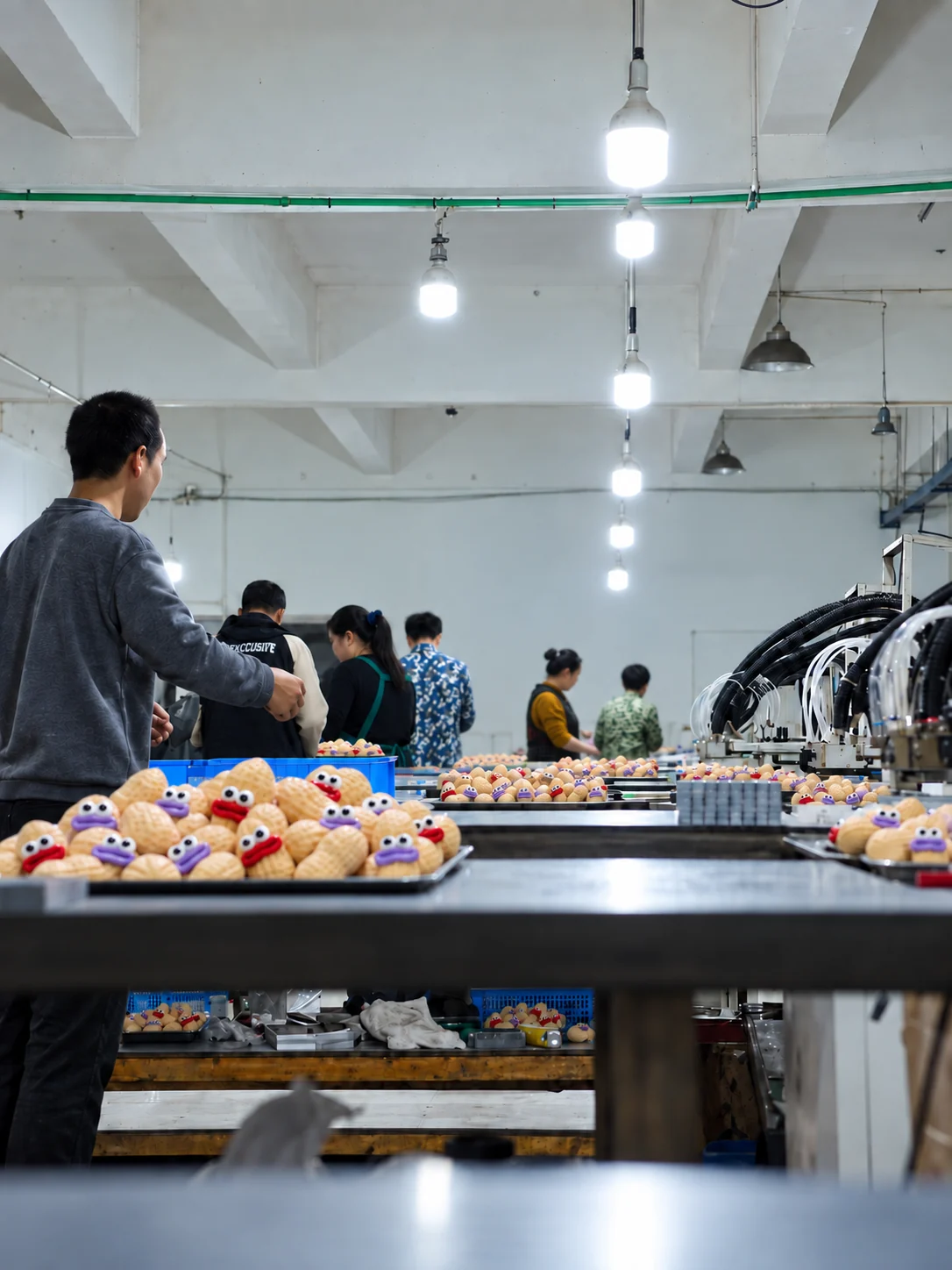
Reusing the shape also does not mean every part of the order stays unchanged. Material, filling, decoration or packaging changes may call for further sample approval even when the tool is reused. Confirm the full specification and the new order price before proceeding. The sample approval checklist can help you agree on a finished reference; the packaging inquiry guide helps you describe packaging changes separately.
Check transfer before you need it
If changing manufacturers is a realistic possibility, ask about transfer before commissioning tooling. You need a written description of what could be released: the complete tool, specified components, design files, or some combination of these. Confirm release conditions, removal costs and transport costs.
Next, have the receiving manufacturer assess compatibility. A tool you own may still need adaptation or may not work with that manufacturer’s equipment. Ownership should not be treated as a promise that the shape can move straight into production elsewhere.
Give the proposed receiving manufacturer the available technical details before relying on transfer in your purchasing plan. If compatibility cannot yet be assessed, keep that uncertainty visible in the decision rather than assuming it will be resolved when the tool arrives.
What to ask with your custom project inquiry
Send the design, intended quantity, destination and product requirements alongside your tooling questions. The bulk squishy toy inquiry guide can help you prepare those details. Then ask for answers tied to the proposed project:
- What does the tooling fee include, and which sample rounds or revisions would cost extra?
- Which physical components, artwork, three-dimensional files and samples are included? Which items would you retain?
- Who would own the agreed components, where would they be held, and could anyone else use them?
- What inactivity period, storage charges, disposal notice and maintenance responsibilities would apply?
- How would we identify the tool and approved product revision for a reorder, and how would repairs or replacement be quoted?
- If we needed a transfer, what could be released, under what conditions and at what removal or transport cost? What information would be available for a compatibility assessment?
Bulk Squishy Toys accepts custom wholesale inquiries. To discuss your custom wholesale project, include your design and reorder plans, and request written confirmation of the tooling ownership, use, storage, maintenance and transfer terms for that proposed order. Resolve any terms that matter to your buying decision before paying the tooling fee.

