
Before approving a squishy toy shipment, compare the actual completed batch, quantities by variant and packing with the identified approved sample and written specification. Use an agreed inspection plan, record any differences, and resolve failed or missing checks before giving shipment approval.
An approved development sample gives you a reference. It does not establish the condition of the later production batch. The decision now is whether the available order has been checked against that reference, what the inspection covered, and whether any unresolved findings affect its release.
Start with one agreed reference version
A useful batch inspection starts with documents that agree with each other. Before the inspection, identify:
- The purchase order and its current revision.
- Ordered quantities, broken down by shape, color and other relevant variants.
- The approved finished sample, with a clear way to identify its version.
- Dated specifications and any agreed measurable limits.
- The approved decoration, packaging artwork, labels, pack quantities and shipping marks.
If the sample has one design and the latest artwork file has another, resolve that conflict before treating a difference as a batch defect. The inspector needs to know which version governs the order.
The sample approval checklist can help you identify the finished sample and the details that were approved before production.
Agree what the inspection will cover
A sampling inspection examines selected units rather than every item in an order. Agree the lot definition, selection method, sample size, defect categories, acceptance and rejection criteria, and any product-specific tests with the inspector before the work begins.
For context, QIMA’s explanation of pre-shipment inspection describes statistical sampling and checks of quantities, specifications, artwork, workmanship and packaging against client requirements. That describes QIMA’s service; inspection arrangements for a Bulk Squishy Toys order need separate confirmation.
If your plan uses an AQL value, understand its role before approving the plan. It forms part of the sampling approach. It is not the percentage of the order to inspect, and it does not guarantee that every unit is free of defects. The QIMA guide to AQL sampling explains the approach in more detail. Choose the criteria with the inspector for the particular order rather than copying a value without considering what it means.
Ask the report to state which variants and cartons were available, how units were selected and which checks were performed. Unavailable versions, unopened portions or unfinished packing should appear as limitations. A supplier-selected photograph or a single attractive unit cannot represent the whole batch.
Compare the selected toys under comparable conditions
Use the approved sample and specification to judge the selected production units. Focus on differences that you can describe clearly:
- Shape and dimensions: compare the agreed measurement points and endpoints.
- Color and decoration: check the approved design version, placement and visible appearance.
- Surface and construction: record visible damage, surface issues, seams or closures where present, and leakage where applicable.
- Squeeze and recovery: compare with the agreed reference under comparable conditions.
Keep the observation separate from its possible cause. A printed detail that differs from the approved artwork is a finding you can document. Appearance alone does not establish the printing method or ink used. Smell, appearance and hand feel also do not establish filling or material composition.
A personal squeeze or rub check can record what happened to the units examined. It is not a laboratory test, proof of long-term durability or evidence of compliance.
Check the variant mix and packing separately
Reconcile the ordered quantity and the shape or color breakdown with packing records and checked cartons. A correct overall total can still contain the wrong mix of products.
Then compare both unit packaging and outer packaging with the approved version. Check pack quantities, artwork, labels and shipping marks. Keep these findings separate from the toy’s appearance: a toy can match the sample while its packaging uses an outdated design or contains the wrong count.
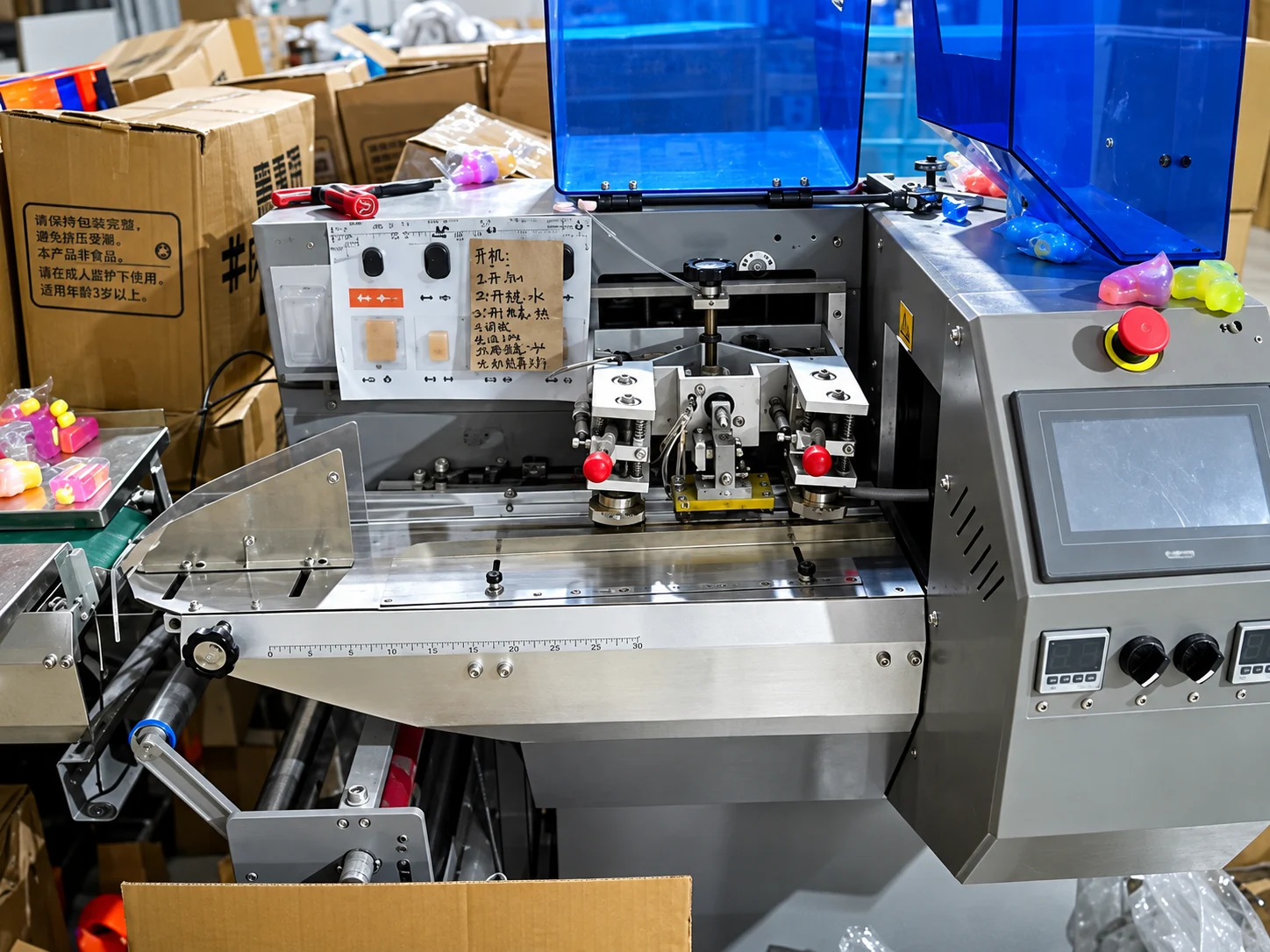
For example, a hypothetical order with the correct total but too many units of one shape has a quantity breakdown issue. An order with the correct shape but an old printed design has a version issue. Each needs a different correction, even though both might be described vaguely as “the order does not match.”
The packaging inquiry guide can help you describe packaging requirements separately from decoration on the toy.
Ask for findings you can act on
A useful finding connects an observation to an agreed requirement. It should identify the order and version, the affected variant, the carton or selection reference, what was observed, what was required, the scope checked and clear supporting photographs.
The report should also distinguish between three different situations:
- An observed failure: a performed check found a difference from the agreed requirement.
- An unperformed check: the report provides no result for that requirement.
- A question needing verification: the available evidence does not yet establish whether the requirement was met.
These distinctions affect your next step. A blank result is not a pass. A photograph without a variant or selection reference may show a visible issue but leave its affected scope unclear. Do not turn an isolated observation into a batch-wide defect rate without evidence.
Resolve failures and gaps before release
When an agreed check fails or remains incomplete, hold approval for the affected shipment while you and the supplier resolve the finding. Establish which products or cartons are affected, agree the correction, and define the recheck needed to support release.
A verbal assurance does not close the finding. A photograph of a corrected unit may show that unit’s changed appearance, but it does not establish that the rest of the affected batch meets the requirement. The recheck should address both the original issue and the scope of the correction.
The commercial response depends on the order and the agreed terms. Do not assume that every mismatch leads to the same remedy. What matters for shipment approval is a clear record of the finding, the agreed action and the evidence used to close it.
Keep the limits of inspection in the approval decision
On-site inspection does not replace product-specific laboratory testing, applicable compliance documentation or receiving checks after delivery. Keep any test reports tied to the actual product and version being ordered. A report for a different version does not settle questions about this batch.
For a proposed Bulk Squishy Toys order, confirm inspection access, timing, sampling, approval responsibilities and corrective arrangements for that project. Prepare the product, quantity and destination details using the bulk squishy toy inquiry guide, then discuss your custom wholesale project and the checks you need before shipment.

