
To plan a bulk squishy toy assortment, choose the exact product versions for your intended sales use, assign a quantity to each, and define how they should be packed. Separate products, a selling set and mixed shipping cartons are different proposals. Confirm the combination, quantities and packing with the supplier before approving the order.
Start with how you intend to sell the range
Decide whether the toys will be sold individually, grouped into a defined set or arranged in a display. This affects what you need to specify:
- Individual products: identify each version and its own package.
- A selling set: list the exact contents of each set, the number of sets and the package holding them together.
- A display arrangement: state which versions it should contain and how many of each, then ask whether the proposed arrangement is feasible.
Putting several products on one purchase order does not establish that they will arrive packed together. If you want mixed shipping cartons, specify their proposed contents separately from the selling format.
Choose exact references within your theme
Bulk Squishy Toys shows food, fruit and animal shapes in its squishy toy catalog. Use these groups to organize a shortlist, then select individual product references. A request for “a food and animal mix” leaves too much open: it does not identify the designs, versions or quantities you want.
A range can follow one theme or combine several. An even split is not automatically the best choice, and there is no universal ratio between food, fruit and animal designs. Use your own sales evidence to propose the quantity of each version. If this is a new range, define what a limited test should help you learn and keep the proposed quantities tied to that goal. The category alone cannot tell you which design will sell.
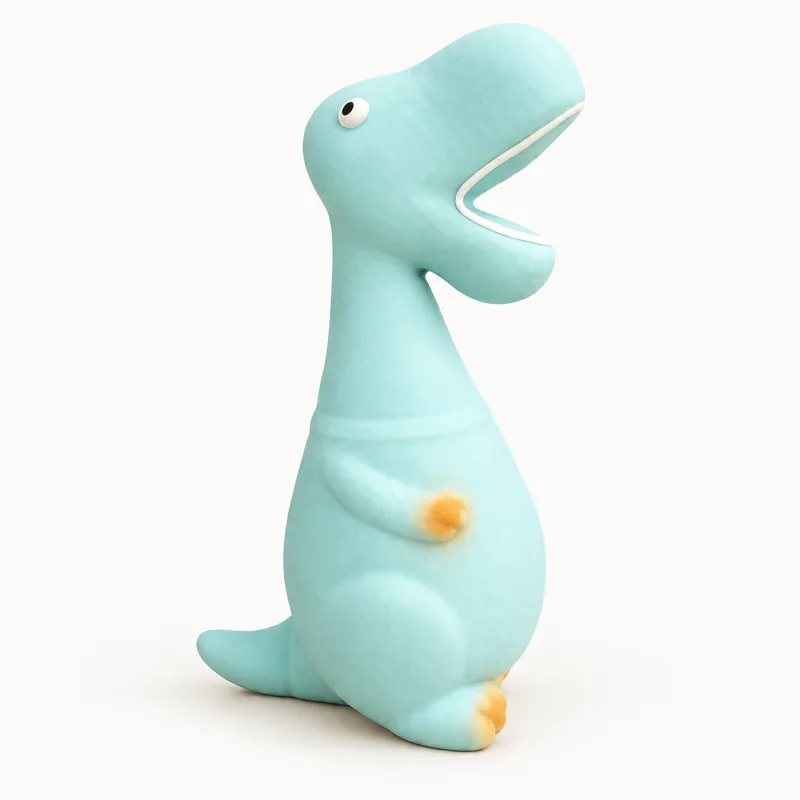
Compare the selected references by their visible design, while confirming their other characteristics separately. A hot-dog-shaped toy and a pale blue dinosaur-shaped toy illustrate different shapes; photographs do not establish their relative size, construction, feel or availability. They are separate product references, not a confirmed pre-packed set.

Give every order line a clear identity
Each selected version needs its own line in the proposed order. If two references look similar, resolve the difference before asking the supplier to confirm quantities.
| Order detail | What to specify |
|---|---|
| Product identity | The exact product reference and selected version, supported by a reference image where useful. |
| Size and color | The agreed size and color, identifying any details that still need confirmation. |
| Quantity | The number of physical toys for that version and its unit of sale. |
| Presentation | The desired individual package, selling-set contents or display arrangement. |
| Sample reference | The sample that represents the selected version and packing, once agreed. |
Keep the same product identities in the inquiry, sample approval and final order. A broad category name should not replace an exact reference later in the process.
Reconcile physical toys, selling sets and cartons
Count the toys needed for each version before checking the combined total. Then show any selling-set count separately. The number of shipping cartons is another count and depends on the agreed packing.
For a purely hypothetical example, suppose a proposal contains 150 three-toy sets, with one toy from each of three selected designs in every set:
- Design A: 150 physical toys.
- Design B: 150 physical toys.
- Design C: 150 physical toys.
- Total: 150 sets × 3 toys = 450 physical toys.
These figures illustrate the arithmetic only. They do not describe an available set, a minimum order or a recommended quantity.
Ask whether each proposed line meets the applicable minimum. A large combined total does not confirm that every design, color or package qualifies. Acceptance of mixed products and any separate quantity conditions need written confirmation.
If the supplier proposes changing a quantity or pack arrangement, request a revised breakdown showing every affected version and the new total. Check both before approving the change.
Check size at each packing level
Product dimensions and packed dimensions answer different questions. Confirm the dimensions of the selected toy to judge its suitability for your presentation, then check the dimensions of the package that will actually be sold or displayed.
Keep these packing levels distinct:
- Individual packaging: what holds each toy and its packed dimensions.
- Selling set or display: the exact contents, count and dimensions of the proposed arrangement.
- Shipping carton: the versions and quantities packed into each outer carton.
After the packing is settled, request the current shipping-carton dimensions, gross weight and quantity per carton. A product photograph cannot provide these measurements or establish a freight quotation. The packaging inquiry guide can help you describe each packing level clearly.
Confirm sample coverage and replacement rules
Ask which agreed versions and packing arrangements each sample represents. Approval of one shape should not be treated as approval of every design in the assortment. Where a sample is intended to cover more than one variant, identify those variants explicitly and clarify what remains to be checked. Use the sample approval checklist to keep the approved references clear.
Also decide how to handle an unavailable version. If you are willing to consider a substitute, require approval of the specific replacement before it enters the order. “A similar design” is not a sufficient replacement description: it can change the assortment you receive.
Keep a receiving breakdown with the agreed product identities and quantities. It should let you reconcile the delivery against the order, including any approved replacements.
If future replenishment matters, ask whether a selected line can be ordered again separately and which version, minimum quantity and packing conditions would apply. Confirm this for the proposed product rather than assuming the initial mixed order establishes a reorder policy.
Send a proposal the supplier can confirm
Your inquiry should bring together the per-version quantities, intended selling format, proposed packing, destination and any fixed receiving date. Ask the supplier to confirm the feasible combination, applicable quantity limits, sample coverage and schedule, with any proposed changes shown against the relevant order lines.
You can use the bulk squishy toy inquiry guide to prepare those details, then discuss your custom wholesale order. A clearly defined assortment gives both sides a specific proposal to review before final approval.

