Assess branding on an existing squishy shape if its silhouette already fits your product idea. A new mold is worth discussing when an essential part of the three-dimensional shape must change. Neither route name tells you exactly what a supplier can offer: ask for the proposed changes, feasibility and commercial terms to be confirmed for your project.
For a wholesale buyer, the first decision is whether the brand can work with an acceptable existing form or needs a different physical shape. Packaging, decoration and how the toy feels still need attention whichever route you choose.
What does each route change?
In this comparison, private label means adding your brand presentation to a suitable existing shape. Custom-molded means developing a shape that requires new tooling. Suppliers may use these labels differently, so request an explicit list of what would change in the toy and its packaging.
Separate the outline of the toy from its surface decoration and presentation. A box carrying your artwork changes the packaging. Printed facial details change the decoration. An altered ear, tail or body profile changes the physical form. Treating these as separate choices makes it easier to explain what is essential and what you can adapt.
Does a color, logo or packaging change need a new mold?
A packaging change concerns the package rather than the toy’s geometry. Color and printing options need confirmation for the selected construction; do not assume every existing design supports the same decoration.
A logo also needs a precise description. Printed artwork and a logo formed into the surface are different requests. A molded logo, a change in size or a projecting feature may affect geometry and tooling. Send artwork or a marked reference showing where the feature belongs, and ask the supplier to identify which changes require tooling work.
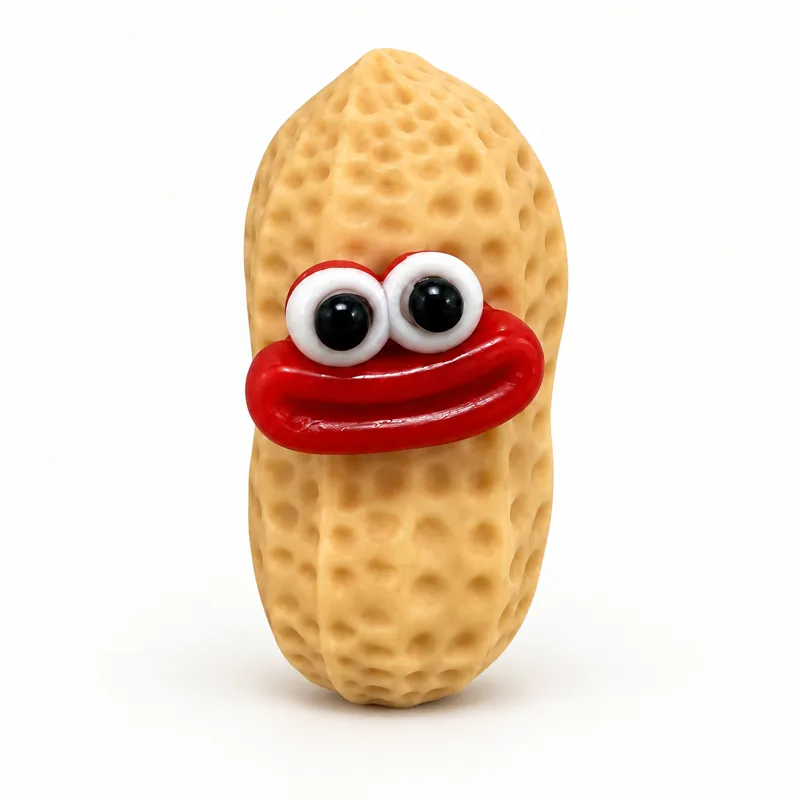
The peanut photograph provides a simple visual example: the peanut-like body establishes the silhouette, while the eyes and lips provide facial detail. It helps distinguish form from decoration, but it does not establish that the product is available for private labeling or exclusive use.
If the main change is the package, the packaging inquiry guide can help you describe that work separately from changes to the toy.
When a new shape matters to the brand
Consider a hypothetical brand choosing an animal squishy for a gift range. If an existing animal has an acceptable outline and the brand identity can be carried by its artwork and box, existing-shape branding is a useful route to assess.
Now imagine that the brand’s mascot is recognized by a particular ear shape or tail profile. If removing those features would make the toy fail to represent the mascot, the physical form is part of the brief. That makes a new-shape feasibility discussion relevant.
The decision depends on how much the silhouette contributes to the product’s identity. These examples do not establish availability, savings or a development schedule. They help a buyer explain which features must be preserved before requesting a quotation.
Compare the quotation and sample work
Ask for development and sample charges, repeat production, packaging, quantity per version and delivery scope to be itemized separately. This lets you see whether two quotations cover the same work. Existing tooling alone proves neither a lower total cost nor a shorter schedule for your requested order.
A new-shape project adds questions about geometry and tooling, but both routes still need agreement on feel, finish, decoration and packaging. Ask what each proposed sample will demonstrate, what remains to be confirmed afterward, and which approval points affect the schedule.
A photograph can show appearance. A rigid shape prototype can help assess form. Neither establishes the softness of the finished squishy. Agree on a physical sample that represents the intended finished product, using the sample approval checklist to prepare your review.
Tooling fees, minimum quantities and development times need a project-specific quotation. Request written terms for the proposed shape, construction, decoration and order scope before making a purchasing decision.
Does either route give you exclusive rights?
Branding an existing shape does not establish exclusivity. A new mold does not, by itself, establish exclusive rights either. The route name cannot answer who may use the design or tooling.
Confirm tool ownership, permission to use artwork, whether the design can be sold to other customers, and any transfer terms separately in writing. If exclusivity matters to the project, explain exactly what you want covered and ask the supplier to state the agreed scope.
What to send with your inquiry
Start with a reference image or drawing and identify the features that must remain. Say whether you can accept an existing silhouette, which surface details you want changed, and whether the package needs your artwork. Include the intended quantity per version and delivery destination so the quotation has a clear scope.
Ask the supplier to confirm the suitable construction, feasible decoration, required tooling changes, sample work and commercial terms. The bulk squishy toy inquiry guide can help you prepare those details.
Bulk Squishy Toys accepts custom wholesale inquiries rather than retail purchases. You can discuss your custom wholesale project with a clear starting point: “We can use a suitable existing shape with these branding changes,” or “This physical profile is essential; please assess new-shape development.”

