
A custom squishy toy has no dependable universal manufacturing price, and a photograph alone is not enough to produce one. The cost depends on the product you agree to make: its shape, size, construction, decoration, quantity and packaging, as well as the development work needed before production.
For a retailer, importer or brand buyer, the useful starting point is to separate repeat production charges from development and other project charges. A unit-price line tells you what each finished toy costs within that quote’s scope. The total budget tells you how much money the whole order requires. You need both to compare offers.
Define the toy before comparing prices
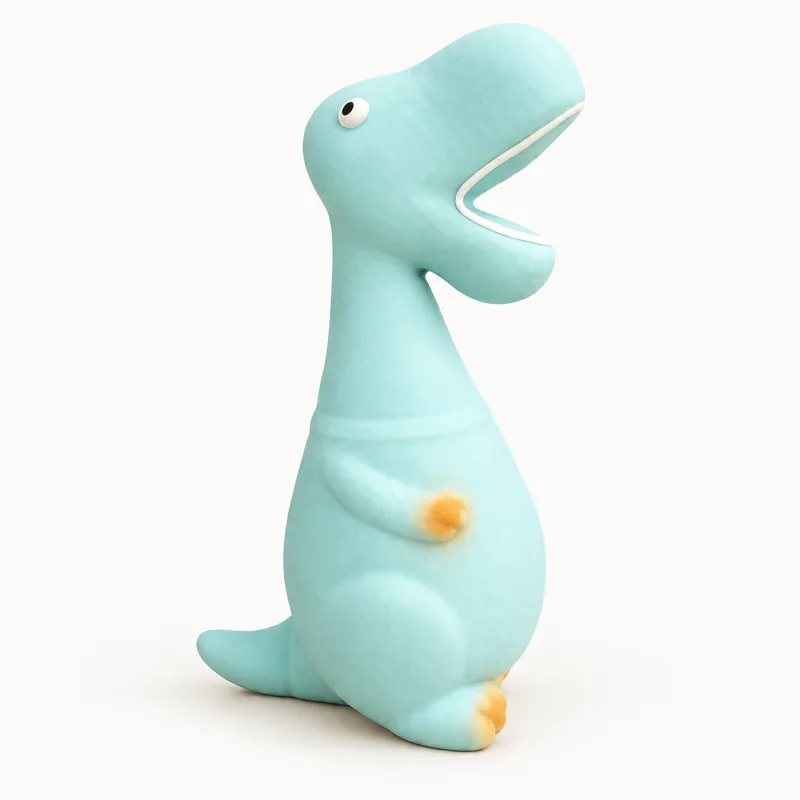
Two toys that look similar can have different specifications. Shape and dimensions describe the outside, while the body or shell material, any filling and the intended squeeze feel describe other parts of the product. A reference image helps explain the appearance you want, but it does not establish what the toy is made from or how it feels in the hand.
Give the supplier dimensions and a description of the desired feel alongside your reference. If the construction is still undecided, use the guide to squishy toy materials and fillings to clarify what needs discussion. Keep those details consistent when comparing quotes; otherwise, a price difference may reflect a different toy.
Separate tooling from the finished-toy price
A new shape can require tooling development. Changing a color or the packaging does not automatically mean a new mold is needed, although the supplier must confirm what is feasible and which tooling route applies to your design.
For injection-molded parts, Protolabs explains how geometry affects tooling work and how an initial mold cost can be spread across more parts. That is an injection-molding cost principle, not proof that every squishy uses that process or follows the same pricing structure.
The finished-toy unit price also needs an agreed scope. Dimensions, construction and surface decoration are details to settle before treating two prices as equivalent. If you can accept a simpler decoration or a change in size, ask for it as a separate alternative. This makes the tradeoff visible without letting an unspecified change enter the main quote.
Look at the quantity per version
The total order quantity does not explain how the order is divided. An order of 3,000 toys in one design is a different request from 3,000 toys split across several shapes or decorated versions. Design count and quantity per variant can change the work or charges involved; there is no universal rule for how suppliers price those differences.
List the quantity beside each version instead of giving only an overall total. Ask which changes create a separate production or development requirement. You can then request an alternative with fewer versions if that suits your assortment, while keeping the original split available for comparison.
For quantity comparisons, request two realistic tiers with the same product and packing specification. Increasing the order and simplifying the toy at the same time makes it harder to see which change affected the price.
Check what each charge includes
Development, sample rounds, courier delivery, packaging, product-specific testing or inspection, and freight may appear as separate charges or be included elsewhere. Establish each inclusion before adding it to your budget again. An itemized quote is useful only when the scope of its lines is clear.
Packaging deserves particular attention because “packed” leaves room for different interpretations. Use the packaging inquiry guide to describe the package you want priced, then confirm that both quantity tiers use it.
Treat credits and rights as terms to agree, too. A sample credit or waiver is not automatic. Paying a mold fee does not, by itself, establish mold ownership, exclusivity, transfer rights or a free reorder. Ask for the applicable terms in writing before including any expected credit or future benefit in your decision.
A smaller cost per toy can still mean more spending
Consider a purely illustrative fixed development fee of US$600. Allocating it across 1,000 toys gives US$0.60 per toy; allocating it across 3,000 gives US$0.20 per toy. These figures are not a real quote or a market benchmark. They exclude unit production, packaging, transport and other charges.
The fixed fee in that example remains US$600. Its allocated share becomes smaller because there are more toys, not because the fee has disappeared. The larger order can still require more total cash and leave you with more inventory. Compare the complete order totals alongside the per-toy figures before choosing a quantity.
Request alternatives you could actually order
Start with the version you want, then identify the changes you could accept. You might ask whether an existing shape could suit the project, whether fewer decorated versions would work, or how a different package would affect the quote. Existing-shape and new-shape offers are different routes; availability and savings require confirmation.
Bulk Squishy Toys accepts custom wholesale inquiries. To discuss a custom wholesale project, submit your reference, dimensions, desired feel, quantity per version, packaging and destination. The bulk squishy toy inquiry guide can help you prepare those details. Request your preferred specification and one acceptable alternative, each at two realistic quantity tiers, with inclusions and separate charges clearly stated.

